Benedict Hamer: Elevate Your Projects with Modern Handwritten Script
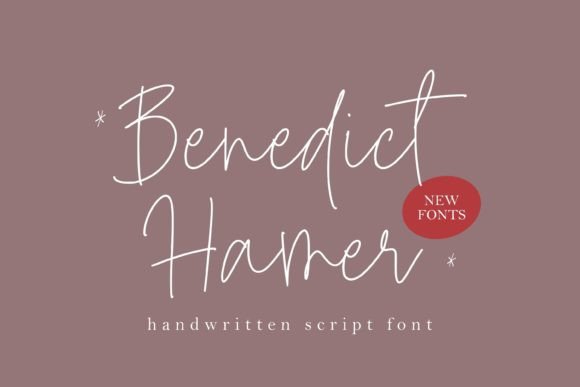
Discovering a font that balances contemporary flair with timeless elegance can transform your entire design workflow. Benedict Hamer is a Handwritten Script Font that achieves this balance with striking precision. As a modern handwritten script font with monoline characteristics, it captures the essence of clean, minimalist design while maintaining the organic warmth of a personal touch. This unique combination makes it an iconic and versatile asset for any designer seeking to elevate their creative projects.
The Power of a Modern Handwritten Script Font
In the realm of graphic design and typography, font choice is a critical decision that impacts visual hierarchy, brand identity, and user experience. Benedict Hamer is a Handwritten Script Font designed for the modern aesthetic. Its monoline style ensures consistent stroke width, which contributes to a minimalist and uncluttered appearance. This characteristic is not merely stylistic; it enhances readability and scalability, making it suitable for both large headlines and smaller supporting text. For designers, this means a single font family can often serve multiple roles, streamlining the design workflow and ensuring visual cohesion across a project.
Practical Applications for Designers and Creators
The versatility of a well-crafted monoline script font extends across numerous creative applications. Its elegant yet approachable nature makes it ideal for projects that require a personal, human touch without sacrificing professionalism. Consider how Benedict Hamer can be integrated into your work:
- Brand Identity & Logo Design: Craft distinctive logos and brand marks that feel authentic and memorable. The script style lends itself well to boutique brands, lifestyle products, and personal brands seeking a signature look.
- Marketing & Social Media Graphics: Create eye-catching headlines, quotes, and call-to-action text for digital marketing campaigns. Its clean lines ensure clarity on various screen sizes, enhancing engagement on social media platforms.
- Editorial & Web Design: Use it for article titles, pull quotes, or accent text in editorial layouts and website headers to add visual interest and guide the reader's eye effectively.
- Packaging & Print Design: Apply it to product labels, packaging, and print materials where a handcrafted, premium feel is desired. The monoline structure ensures it reproduces cleanly in print.
- Presentation & Digital Products: Elevate slide decks, e-books, and online course materials with typography that feels both professional and engaging, improving the overall user experience.
Integrating Typography into Your Design System
Selecting a font like Benedict Hamer is just the first step. To maximize its impact, it should be integrated thoughtfully into your broader design system. Consistency is key. Establish clear guidelines for where and how the script font will be used—for example, reserved for main headlines or specific accent elements. Always pair it with a complementary sans-serif or serif font for body text to ensure optimal readability and create a clear visual hierarchy.
When evaluating any creative asset, consider its compatibility with your existing color palette and imagery. A monoline script font often works beautifully with clean photography, minimalist illustrations, and a restrained color scheme. This synergy reinforces a modern aesthetic and ensures all elements of your design communicate a unified message. The goal is to use typography not just as decoration, but as a functional element that enhances communication and strengthens your brand's visual language.
Ultimately, the tools you choose define the quality of your output. Investing in high-quality, thoughtfully designed creative assets like a versatile script font empowers you to produce work that resonates. It allows you to focus on strategy and creativity, confident that your typography will support your vision. By making deliberate, informed choices about every element in your design—from the font to the color palette—you build a stronger, more effective visual presence that captivates your audience and achieves your communication goals.