Rynda: A Modern Script Font for Creative Design
Imagine a single design element that instantly adds personality, elegance, and a human touch to your projects. That's the power of a well-crafted script font like Rynda. In the crowded landscape of graphic design, where first impressions are visual, choosing the right typography is a critical decision that shapes perception and communication.
Understanding Rynda's Role in Visual Design
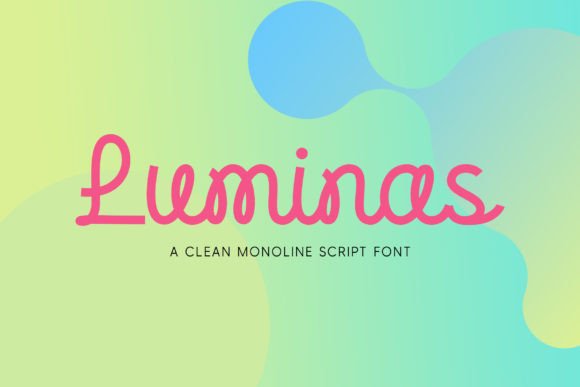
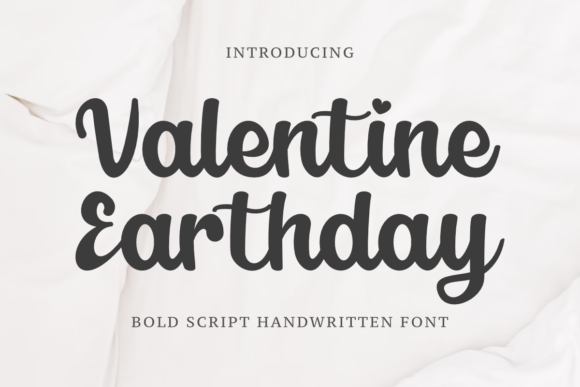
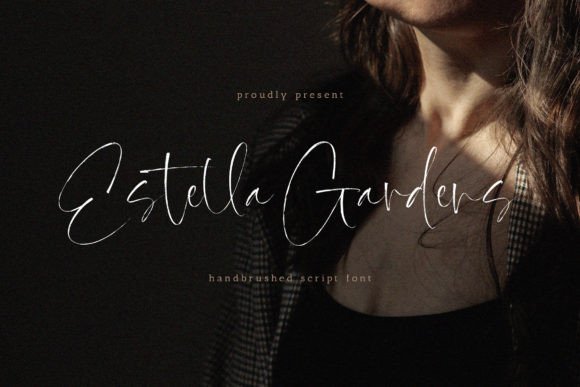
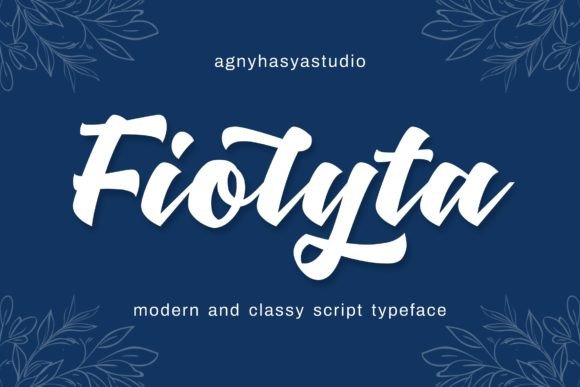
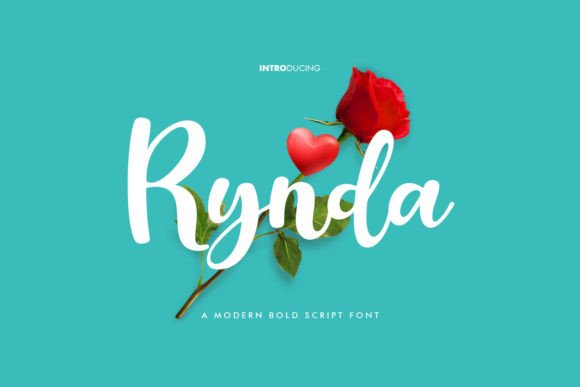
Rynda is a modern and cute script font, characterized by its flowing, handwritten aesthetic. This style of typeface is a cornerstone in visual design for creating warmth, approachability, and a sense of authenticity. Unlike rigid sans-serifs or traditional serifs, script fonts like Rynda inject a personal, often playful or sophisticated, tone into a layout. Its design allows it to serve as a powerful tool for establishing visual hierarchy, guiding the viewer's eye to key messages and creating focal points that command attention.
Practical Applications for Rynda in Your Design Workflow
The versatility of a font like Rynda makes it a valuable creative asset across numerous mediums. Its ability to blend modern aesthetics with readable charm means it can be adapted to a wide array of design goals. Consider its application in these common creative projects:
- Brand Identity & Logo Design: A script font can form the core of a brand's wordmark, conveying values of craftsmanship, creativity, or friendliness. Rynda is perfect for logos in industries like beauty, lifestyle, boutique retail, or artisanal goods.
- Marketing & Advertising: From social media graphics and Instagram stories to digital ads and email headers, Rynda can make promotional content feel more engaging and less corporate, improving user engagement.
- Editorial & Print Design: In magazines, book covers, and posters, script fonts are used for headlines, pull quotes, or chapter titles to break up dense text and add visual interest, enhancing the overall reading experience.
- Packaging & Merchandise: Product labels, shopping bags, and merchandise often use script fonts to highlight product names or special features, creating a premium or handmade feel that attracts customers.
- Digital & Web Design: When used judiciously for headings or call-to-action buttons, a font like Rynda can soften a website's interface, contributing to a more welcoming user experience (UX).
Tips for Effective Typography Selection and Use
Integrating any new font, including Rynda, requires a thoughtful approach to maintain design integrity and readability. Here are key factors to evaluate:
- Readability & Scalability: Always test the font at various sizes. A beautiful script must remain legible when small on a mobile screen and impactful when large on a banner.
- Audience & Context: Align the font's personality with your target audience and the project's message. A playful script may not suit a formal financial report, but it could be ideal for a children's brand.
- Visual Harmony: Pair Rynda with complementary typefaces. A clean sans-serif often provides a perfect contrast for body text, creating a balanced and professional presentation. Consider your color palette and overall composition to ensure the font enhances, rather than clashes with, other visual elements.
- Consistency in Branding: If used for a brand identity, document its usage guidelines—specifying sizes, colors, and contexts—to ensure consistency across all touchpoints, from web design to print materials.
Ultimately, the most compelling designs result from intentional choices. Quality creative assets like Rynda are more than decorative tools; they are fundamental components of effective visual communication. By selecting typography that aligns with your design goals and applying it with care, you elevate the aesthetic quality of your work and, more importantly, strengthen its ability to connect with and resonate with your audience. Thoughtful design is an investment in clarity, engagement, and lasting impact.